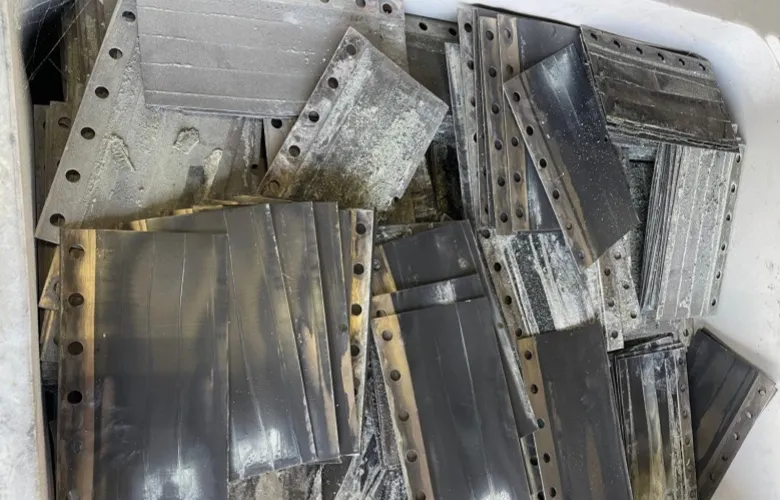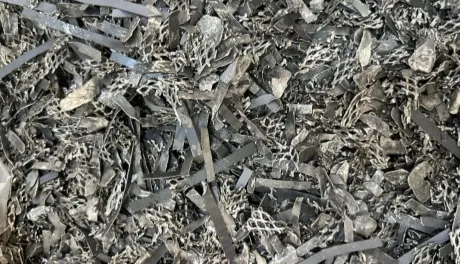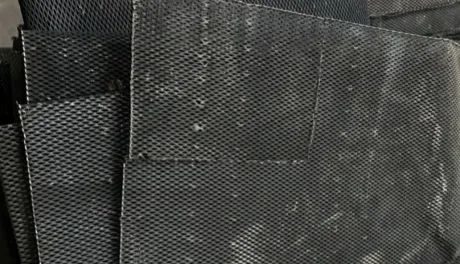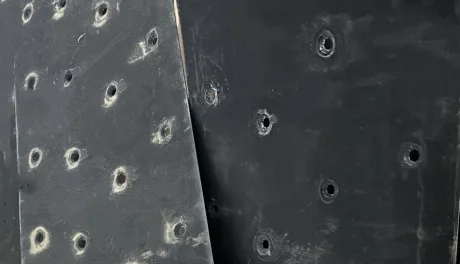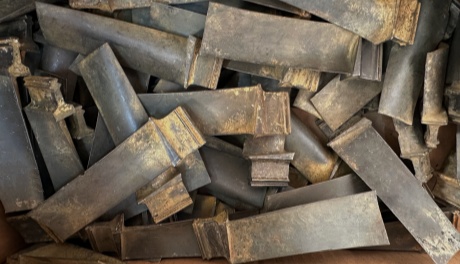
Titanium metal is in high demand in the marine, chemical, aerospace, and medical industries, but its mining costs are high. Recycled titanium, after purification, can reduce the cost of regenerating titanium anodes by 30%-40%. Careless disposal of titanium mesh can lead to soil and water contamination with heavy metals such as iridium and titanium.
Recycling titanium reduces the energy consumption of new titanium production, and each ton of recycled titanium reduces carbon emissions by over 60% compared to virgin titanium. This article explains how to find scrap titanium anode mesh from decommissioned ships. This article will show you how to find titanium anode scrap on ships.
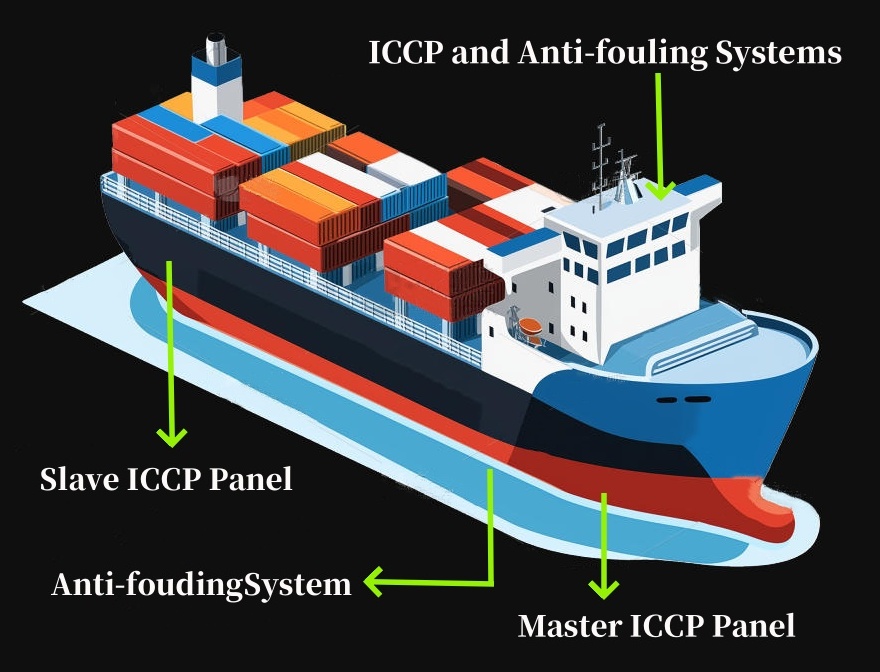
Where Are Used Titanium Anodes Located on a Ship?
Cathodic Protection System: Principles and Components
-
To protect ships from seawater corrosion, cathodic protection (CP) systems are used. These systems are categorized into two types:
-
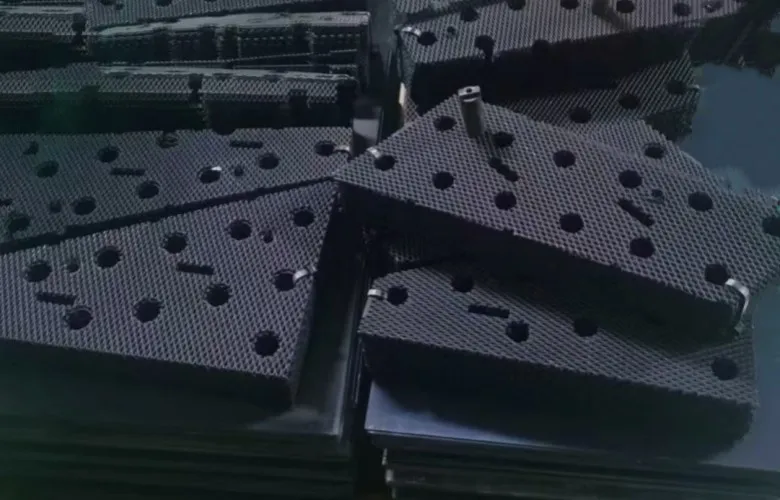
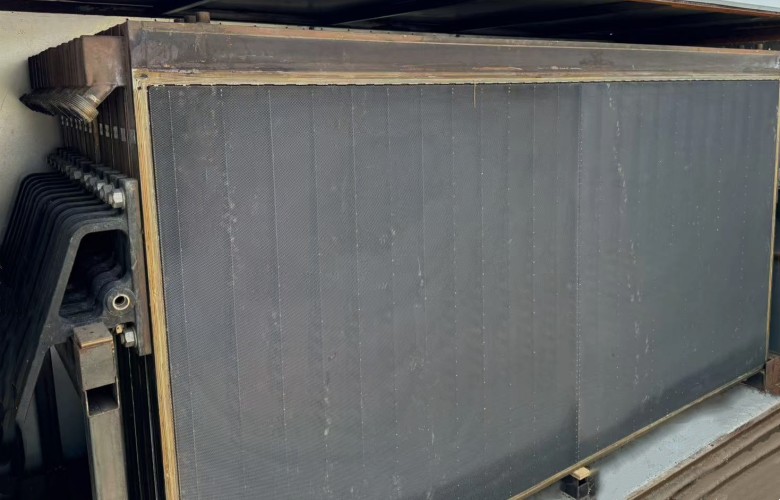
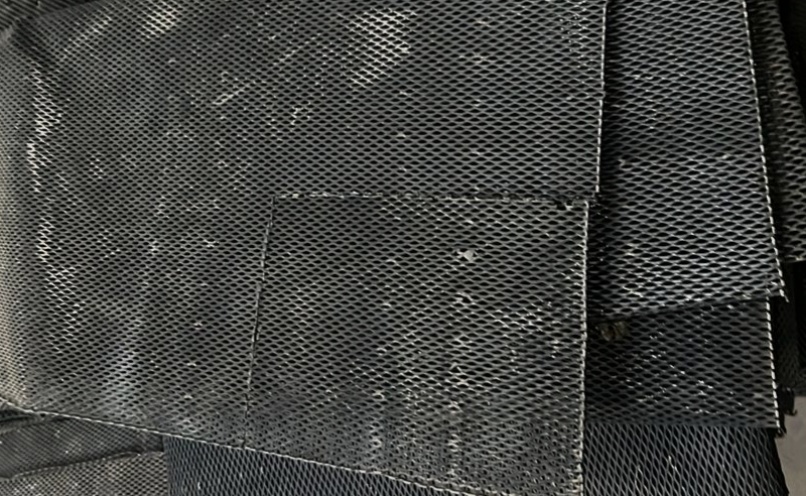
Titanium Anode Meshes: Impressed Current Cathodic Protection (ICCP): This method uses inert anodes, with a protective current supplied by an external power source. These anodes are primarily used in ships' impressed current cathodic protection (ICCP) systems, acting as auxiliary anodes to discharge current. These anodes typically use mixed metal oxide (MMO)-coated titanium anodes, coated with platinum group metal oxides such as ruthenium and iridium.
-
Cathodic Meshes
The ship's steel structure serves as the cathode, but some systems use a reference electrode (such as a silver/silver chloride electrode or a high-purity zinc electrode) to monitor the potential, rather than an independent cathode meshes.
What Precious Metal Coatings Are Present on Scrapped Ships?
This is where the core value lies, and there are two main types:
| Coating Types | Main ingredients | Location | Appearance |
| Mixed Metal Oxide (MMO) |
A mixture of ruthenium oxide (RuO₂) and iridium |
Areas requiring long-term corrosion protection, Circulating water systems |
The surface is black, sometimes dark gray with a |
| Platinized | Pure platinum (Pt). | / |
The surface is silvery white with a pronounced |
| Other Coatings |
In some special cases, precious metal oxides such |
/ | / |
-
Application of Bipolar Systems
Ships typically use a monopolar system (titanium anode mesh & steel cathode structure), but some complex systems may combine sacrificial anodes (zinc/aluminum alloy) with impressed current anodes for dual protection.
Which Types of Ships Are most Likely to Use Titanium Anode Mesh?
Based on the characteristics of ship corrosion protection technology and application scenarios, the following types of ships are more likely to use titanium anode
mesh (MMO-coated titanium anodes) as a core component of impressed current cathodic protection systems:
1. Large ocean-going merchant ships (such as oil tankers and container ships)
Demand factors: Long-term navigation in high-salinity seawater requires long-term corrosion protection for large steel structures such as hull plating and ballast tanks.
Technical fit: MMO titanium anode mesh offers strong corrosion resistance and adaptability to current densities (2000-5000 A/m²), making it suitable for protecting large hulls.
2. Specialized ships (such as research vessels and warships)
Demand factors: Required to withstand extreme environments (polar low temperatures, high-velocity currents) or military concealment requirements (no magnetic interference).
Technical fit: Titanium anode mesh with a ruthenium-iridium coating provides stable operation in operating temperatures between -20°C and 80°C, and the titanium substrate is non-magnetic.
3. Transport Ships
Requirement: The cargo hold area requires dual protection against corrosion and biofouling, which traditional sacrificial anodes struggle to meet.
Technical Compatibility: MMO titanium anodes can be integrated with intelligent monitoring systems, enabling real-time current control and adaptability to highly corrosive media.
How Long Is the Typical Replacement Cycle for Titanium Anode Mesh?
The replacement cycle for titanium anode mesh depends primarily on the application, coating type, and operating conditions, as follows:
I. Typical Industrial Replacement Cycles
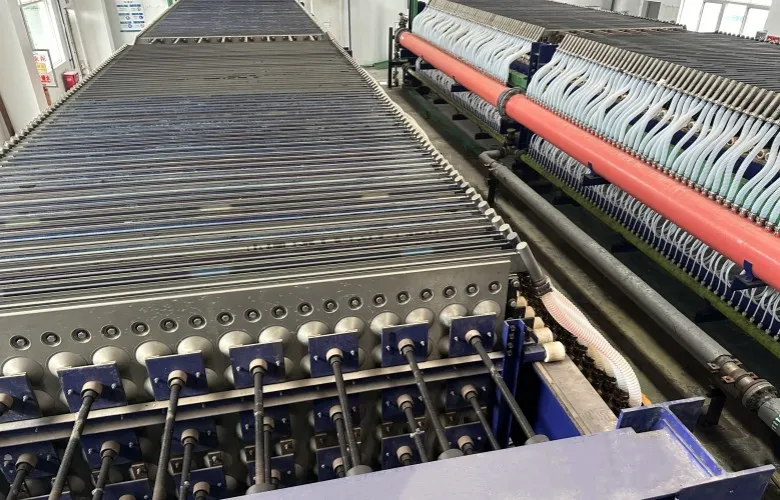
Electrolytic Foil Production
Ruthenium-iridium-coated titanium anode mesh can achieve a service life of over five years in copper foil production, maintaining stable performance after continuous operation at
40,000 KAH (approximately eight months).
Economic Comparison: Compared to traditional lead alloy anodes (15-18 months), the service life is over three times longer, and maintenance costs are reduced by 40%.
At a current density of 17 A/m², ruthenium-iridium-coated titanium mesh has a service life of over six years, with cell voltage fluctuations within ±2%.
II. Key Factors Affecting Lifespan
Current Density: Exceeding the design value of 2000 A/m² significantly shortens service life. Current fluctuations are recommended.
Environmental Adaptability: Within a pH range of 0-14 or 300 g/L Under low Cl⁻ concentration (such as seawater desalination), the annual attenuation rate of the coating is <0.5μm, and the substrate can be repeatedly coated 3-5 times.
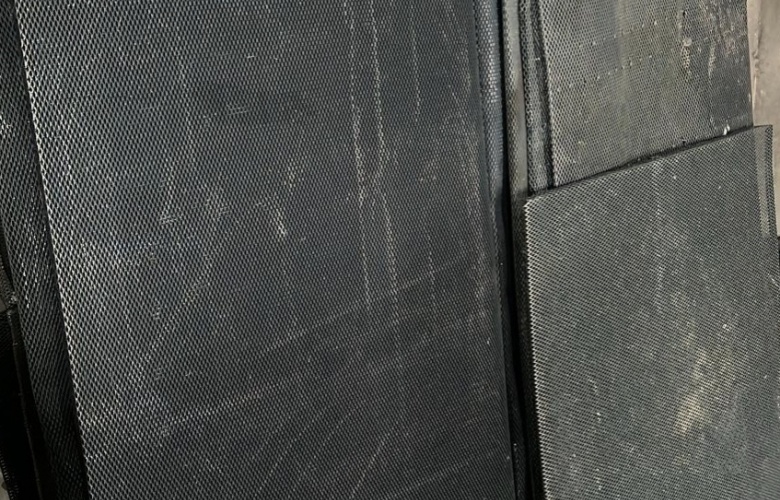
In summary, Huatuo actively processes titanium mesh for ICCP systems from scrapped ships. If you have scrapped ship material you'd like to sell, or are unsure if your scrap ship has the titanium anode mesh we need, please contact our experts immediately. We'll provide you with real-time feedback and help you convert your scrap into valuable value.
Global Recycling Email: info@huatuometals.com Call Anytime: +86 189 3824 7050