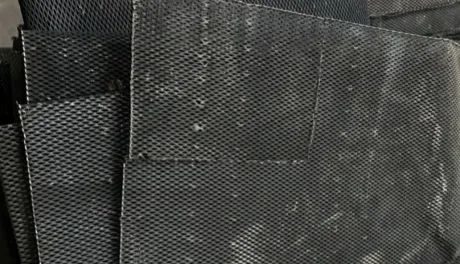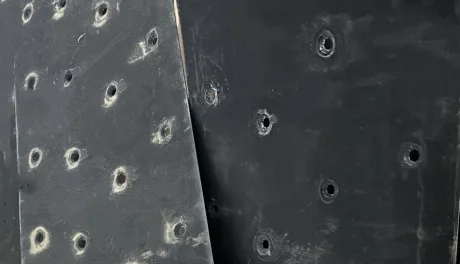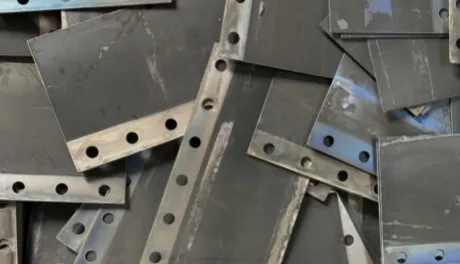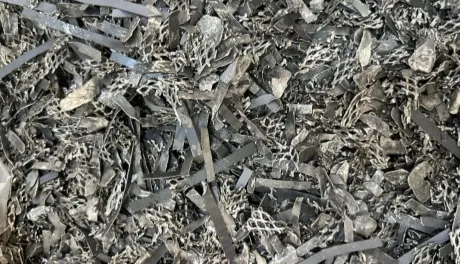
What Types of Ti-Pd Scraps Do We Recycle?
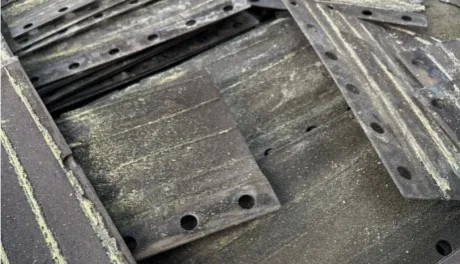
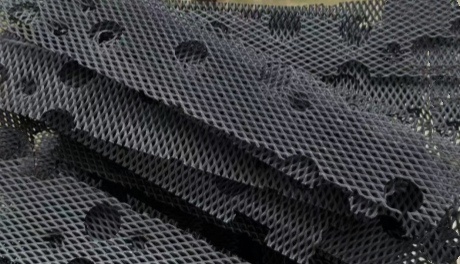
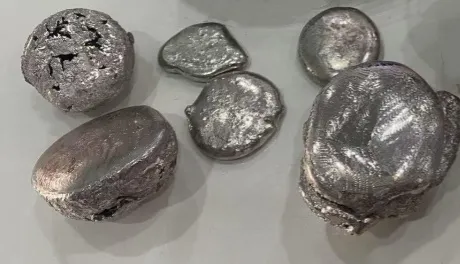
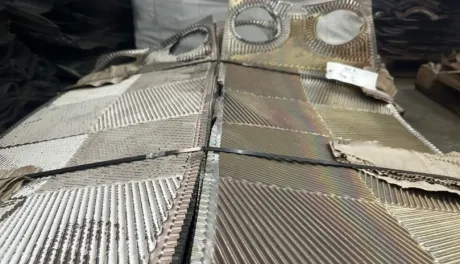
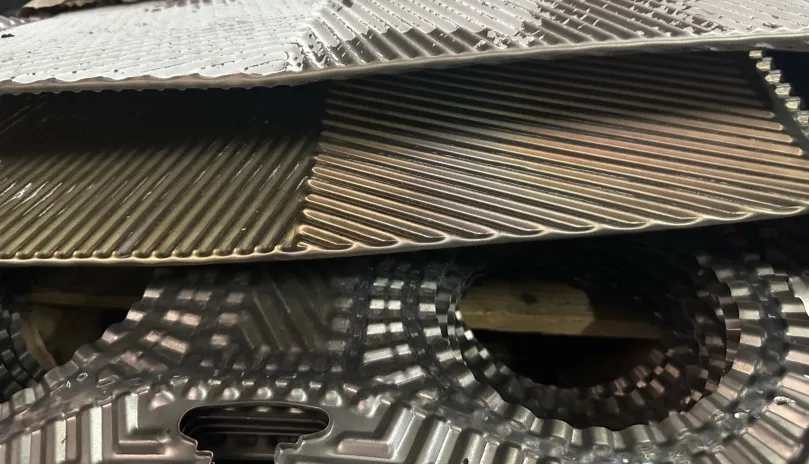
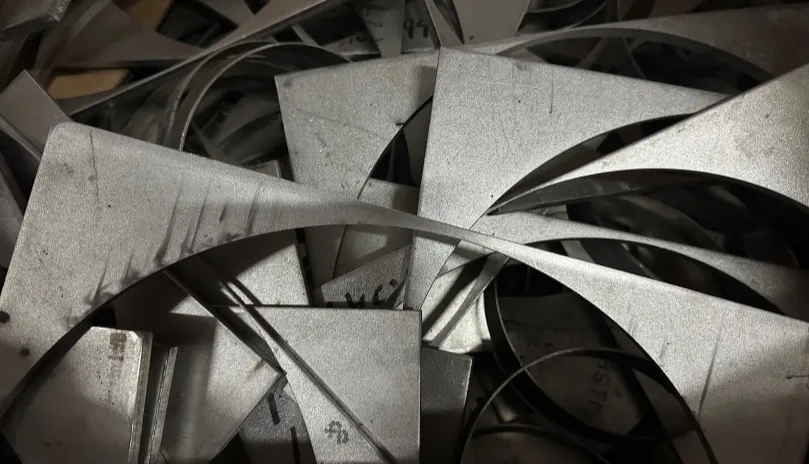
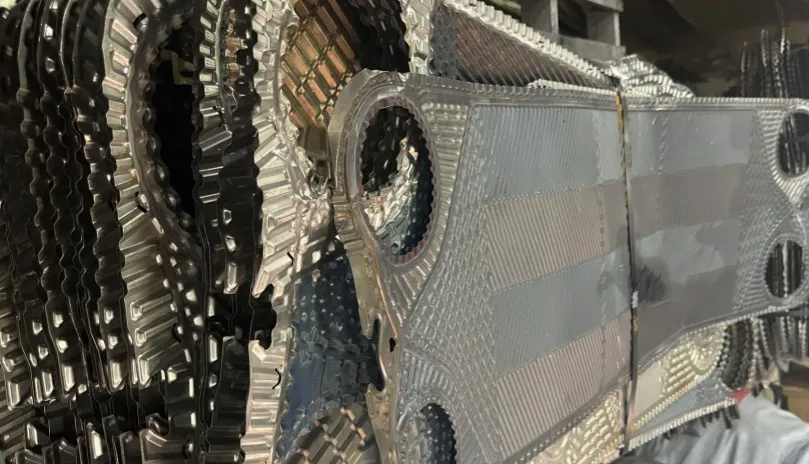
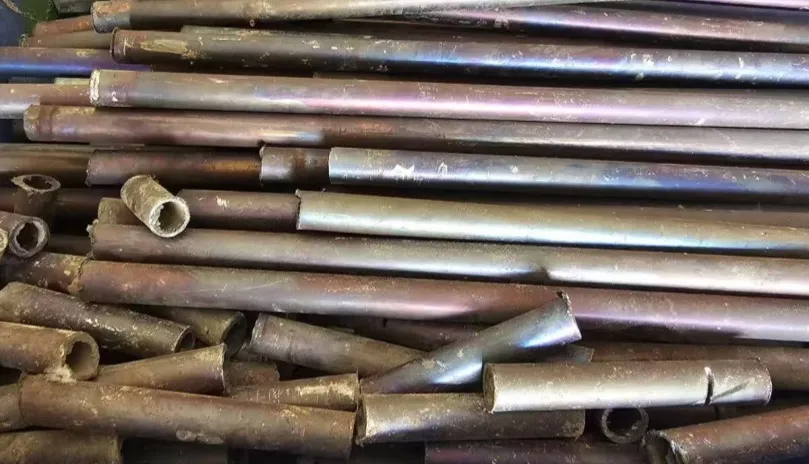
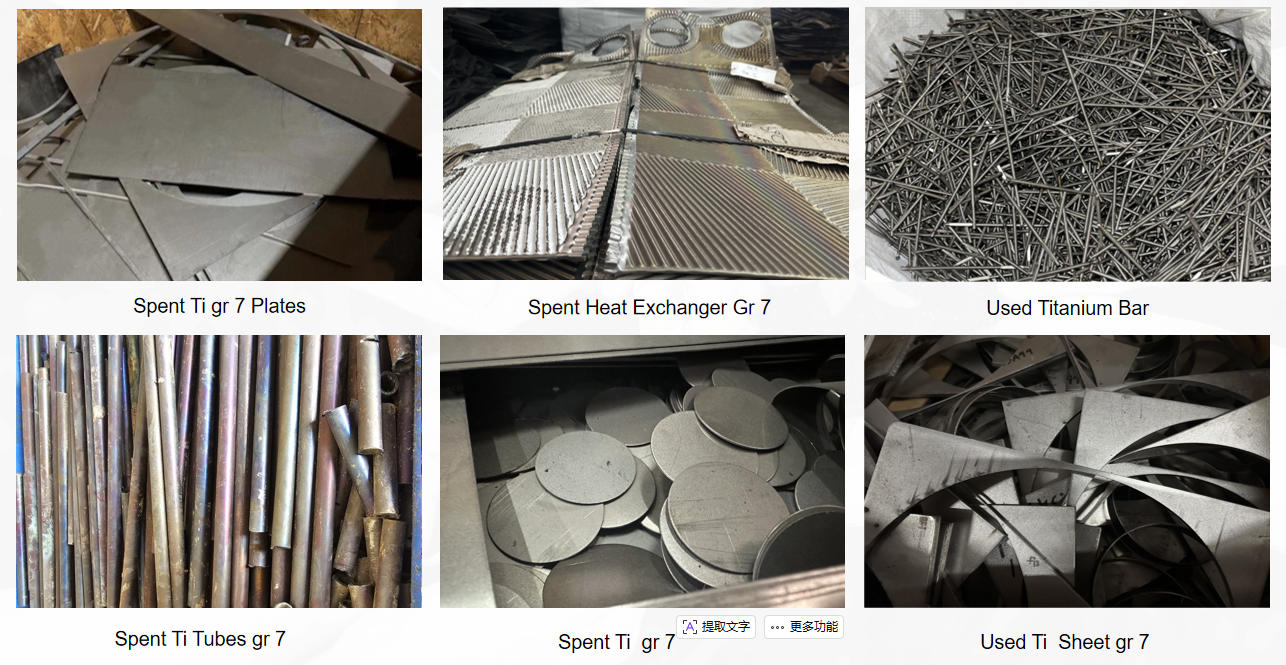
We recycle and refine Titanium palladium ( Titanium Gr7, Gr 11 ) plates, heat exchanger components, titanium tubes, titanium pipes, chemical pipes, coils, electrochemical anodes, titanium rod scraps etc. Please see the following:
What Grades of Titanium Contain Palladium?
In titanium grades, palladium (Pd) is specifically added to significantly improve the corrosion resistance of titanium alloys in non-oxidizing media (such as hydrochloric acid and sulfuric acid). These grades are often referred to as "corrosion-resistant titanium alloys". The following are common titanium grades containing palladium and their key values:
| Titanium Grade | Palladium content | Main Features | Common applications | Key Values |
| Grade 7 | 0.12% – 0.25% |
This is the most commonly used palladium-containing titanium material. It is made by adding palladium to pure titanium (Grade 2). |
Widely used in chemical equipment, heat exchangers, and electrochemical anodes. | Palladium content, excellent corrosion resistance |
| Grade 11 | 0.12% – 0.25% |
Similar in composition to Grade 7, but with a lower oxygen content. It has improved ductility and is easier to cold form. |
It is often used in chemical pipelines, coils and other parts that require complex shapes. | Palladium content, high ductility, excellent corrosion resistance |
What are the common forms & sources of titanium palladium scraps?
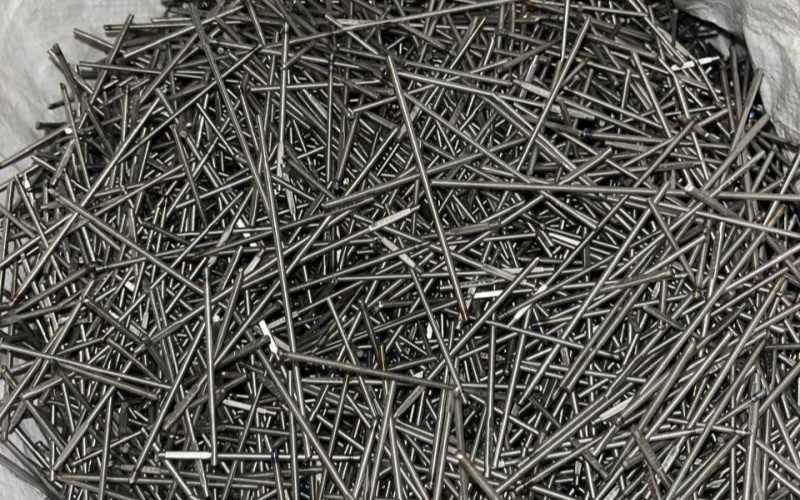
Titanium palladium alloy scrap usually has the following forms and common sources. If you have titanium palladium alloy scrap for sale, please contact our experts immediately and we will quote and maximize the value of your scrap immediately.
-
Sheet metal waste: Common specific forms include scraps, stamping residues, waste plates, etc., which come from aerospace structural parts, medical equipment housings, etc.
-
Bar waste: Common forms include cutting residues, forging waste, waste bars, etc. It comes from machining shaft parts, medical implants, etc.
-
Titanium Pipe/Tube waste: Common forms include cut-off materials, bent waste pipes, corrosion failure pipes, etc. It comes from chemical pipelines, heat exchanger components.
-
Scrap metal parts: Common forms include scrap flanges, blades, artificial joints, etc., which come from aircraft engine parts, medical prostheses, etc.