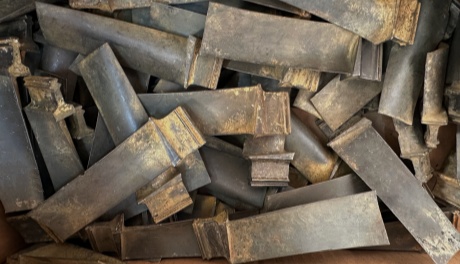
Where Titanium Anode Scrap Comes From in Wastewater Treatment
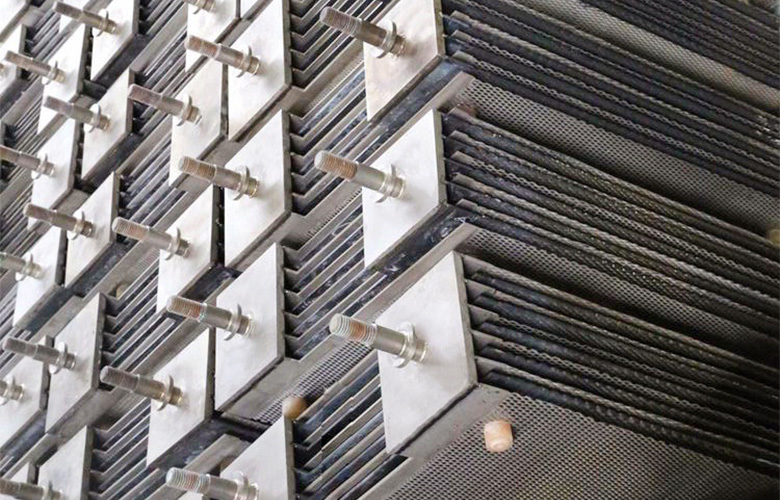
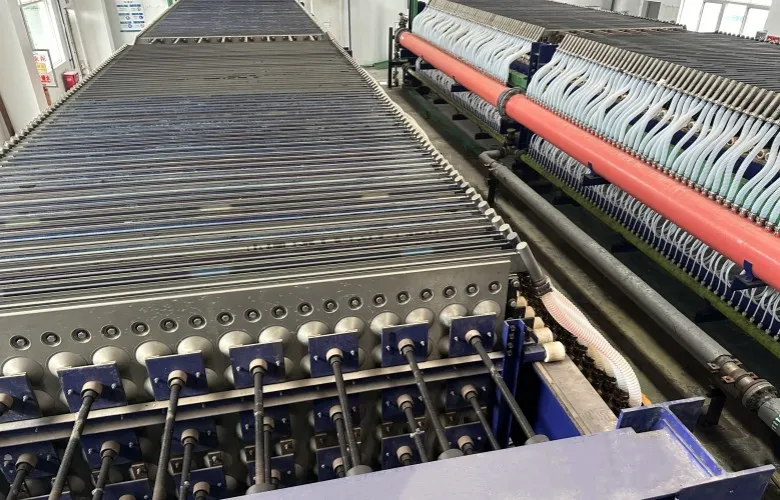
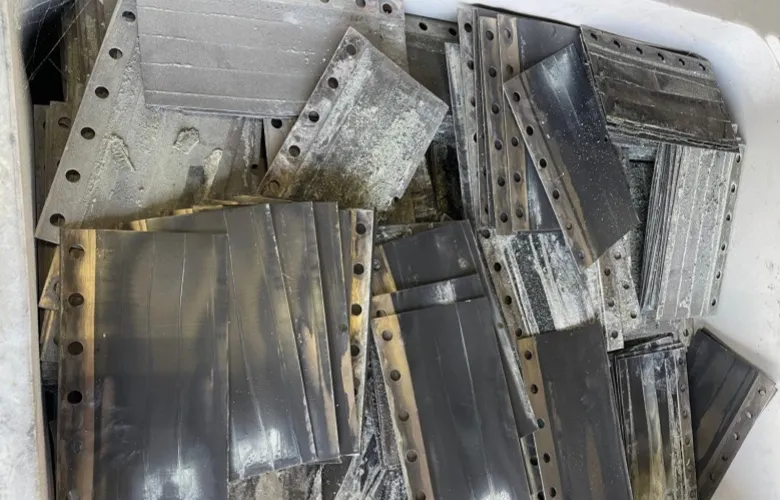
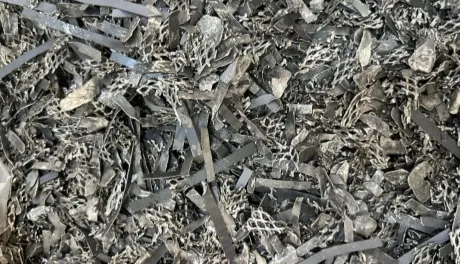
Titanium anodes are widely used in the treatment of ammonia nitrogen wastewater, especially in electrochemical oxidation technology, where ammonia nitrogen in wastewater is converted into harmless nitrogen gas through electrolysis to achieve the purpose of purifying water quality. Therefore, in the process of treating ammonia nitrogen wastewater, titanium anode scraps will be generated. In addition, titanium anodes are also used in many fields, including chemical industry, electrometallurgy, environmental protection, electroplating, etc., which may also generate titanium anode scraps.
How Titanium Anodes Work in Wastewater Treatment
Working Principle
During the electrolysis process, the titanium anode uses the electric field to make the target directly oxidize on the anode, or generate oxidizing substances to oxidize the target. This method includes direct oxidation and indirect oxidation, which can effectively remove ammonia nitrogen in wastewater.
Treatment Effect
Using titanium anode to treat ammonia nitrogen wastewater can produce a large number of atomic and ionic active groups, catalyze the conversion of ammonium salts in wastewater into free ammonia, and accelerate its separation from wastewater. At the same time, it catalyzes the oxidation and degradation of organic matter without secondary pollution.
Therefore, titanium anode for ammonia nitrogen wastewater treatment is an efficient and environmentally friendly treatment method, which is widely used in industrial wastewater treatment.
Applications in Ammonia Nitrogen Wastewater Treatment
Electrolytic Treatment of Sewage
During the electrolytic treatment process, the titanium anode effectively oxidizes and decomposes harmful substances in sewage, such as heavy metal ions, ammonia nitrogen and organic pollutants, by applying current.
Printing and Dyeing Wastewater
Printing and dyeing wastewater contains a variety of toxic and harmful substances. Titanium anodes are used for electrolytic catalytic treatment. Through electrocatalytic reactions, flotation and flocculation are achieved, which effectively removes organic matter and decolorizes. The COD degradation rate is high, and the decolorization rate is more than 98%.
Oilfield Wastewater
Oilfield wastewater is complex in nature and contains a variety of impurities. The use of titanium anodes for electrolytic catalytic treatment can simultaneously complete the processes of electrocoagulation, electroflotation, oxidation and reduction, effectively reduce COD, and improve biodegradability.
These cases demonstrate the wide application and excellent performance of titanium anodes in ammonia nitrogen wastewater treatment, providing efficient and environmentally friendly solutions for wastewater treatment.
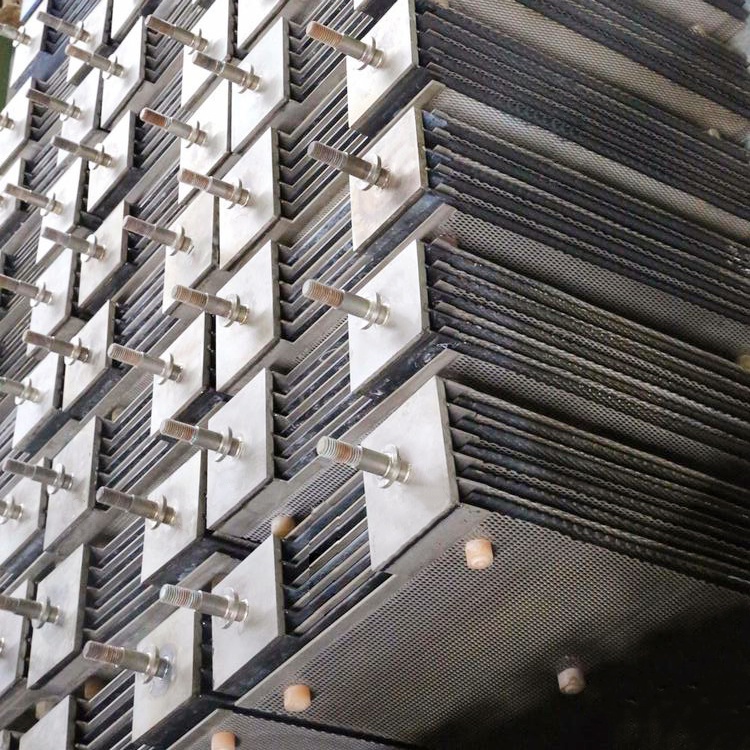
How Titanium Anodes Support Sustainable Development
Improve Treatment Efficiency
In the treatment of ammonia nitrogen wastewater, titanium anode can effectively remove ammonia nitrogen and organic matter in the wastewater through electrolytic oxidation, thereby improving treatment efficiency.
Reduce Costs and Energy Use
Compared with traditional wastewater treatment methods, the use of titanium anodes to treat wastewater can reduce the use of chemical agents and energy consumption, and it is easy to operate, which is conducive to saving resources and energy.
Promote Technological Innovation
With the continuous advancement of science and technology, the application scope of titanium anodes in the field of wastewater treatment will become more and more extensive, promoting the innovation and development of environmental protection technologies, and providing technical support for sustainable development.
In summary, Huatuo deeply understands the importance of corporate social responsibility and actively practices the concept of sustainable development. We are committed to environmental protection, implement strict environmental protection standards, and recycle titanium anode scraps in the wastewater treatment industry. By recycling titanium waste, we help protect water resources and the ecological environment and promote the sustainable development of society.