
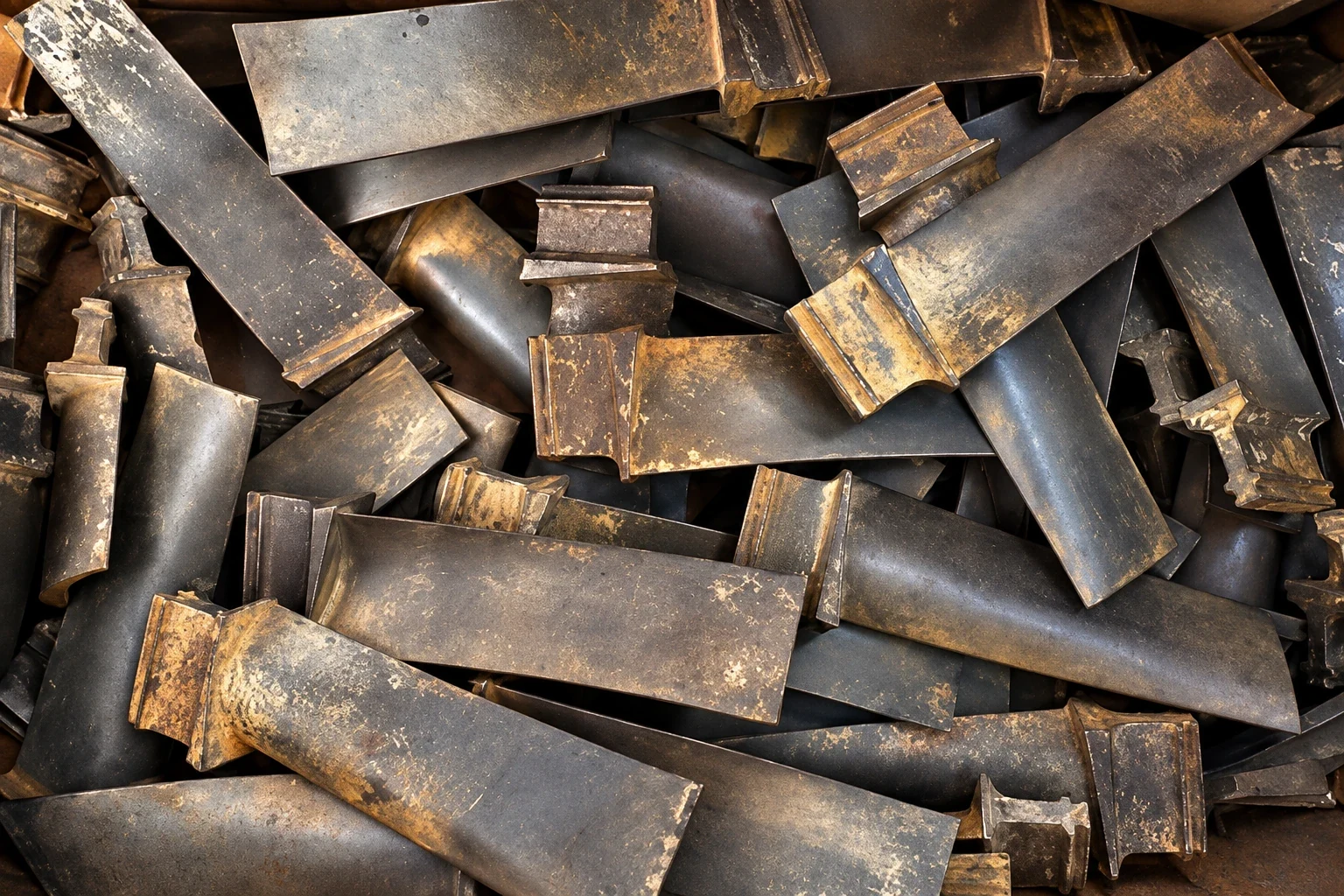
The platinum scrap value calculation starts with one question: how much recoverable platinum is in the lot? Net dry weight and tested platinum content give us the contained metal. We then apply the agreed payable percentage and market benchmark, and account for any contractually agreed and applicable charges, such as analysis, refining, handling, or freight. The specific charges and settlement method depend on the material, service arrangement, and contract terms.
Material type also matters. Clean platinum-rhodium wire is easier to identify and sample than spent catalysts, coated parts, powders, or mixed process residues. Moisture, oil, ceramic carriers, base metals, and uneven coatings can all affect the final value. If you prepare the basic information in advance, our evaluation can move much faster. Clear photos, material origin, process use, quantity, weight records, available test reports, contamination details, location, and preferred delivery schedule give us a solid starting point.
What Determines the Platinum Scrap Price
A market price gives us a reference for refined platinum. Your scrap still needs to be weighed, tested, and processed before that metal can return to a usable form. Its value therefore depends on the material in the lot, the amount of recoverable platinum, and the agreed settlement terms.
Two lots can have the same gross weight and very different values. A clean platinum-rhodium wire may contain a high and consistent percentage of precious metal. A spent catalyst may include ceramic, carbon, moisture, or process residue. Those materials add weight and affect sampling, even though they do not add platinum value.
Our platinum recycling service covers platinum-rhodium catalysts, platinum-rhodium wire, platinum powder, platinum sponge, and other industrial forms. We choose the preparation and testing route according to the material. An early indication becomes more accurate once we confirm the lot description, weight basis, and assay method.
The calculation can be expressed as:
Estimated settlement = payable platinum (troy oz) × agreed platinum benchmark (USD/troy oz) − agreed charges (USD)
Payable platinum is calculated by multiplying the agreed weight basis by the assayed platinum grade reported on the same basis and the agreed payable percentage, then converting the result into the benchmark’s weight unit. When net dry weight is used, it must be multiplied by the platinum grade reported on a dry basis. If the assay result is reported on an as-received or wet basis, the weight and platinum grade must first be converted to a consistent basis. The applicable weight basis and conversion method should follow the actual contract terms.
For weight recorded in kilograms and a benchmark quoted per troy ounce, multiply kilograms by 1,000 to obtain grams, then divide by 31.1035 to obtain troy ounces. Both percentages should be expressed as decimals in the calculation.
The calculation must define the agreed weight basis, representative assay, payable metals, pricing window, and treatment of analysis, refining, freight, and hazardous-material costs.
How Scrap Type and Net Weight Establish the Starting Value
We begin by identifying the material. Industrial platinum scrap can come from catalysts, thermocouple wire, laboratory equipment, platinum sponge, electrodes, electronic parts, process residues, and PGM-bearing aerospace components. The material form tells us how the lot should be sorted, sampled, weighed, and processed.
Our guide to common sources of platinum scrap covers automotive catalysts, high-temperature equipment, glass production, electronics, medical devices, and chemical operations. When you contact us, the source industry and equipment help us understand what the material may contain. A material name, alloy grade, part number, quantity, photos, and location add useful context.
The weight record needs the same level of care. Gross weight may include drums, pallets, liquid, dust, ceramic substrate, steel housings, and other material with no platinum value. Net weight removes the packaging. Net dry weight may also remove moisture or volatile material. A scale ticket should show the unit and the weight basis. Precious metals use troy ounces, and one troy ounce equals 31.1035 grams. A standard ounce is different, so the unit should always be confirmed.
The following information gives us a useful first view of the lot:
-
Material type, trade name, part number, or known alloy grade
-
Industry and equipment from which the scrap was generated
-
Number of pieces, containers, or pallets
-
Gross weight, tare weight, net weight, unit, and scale record
-
Photos of the full lot and close views of coatings, labels, residues, and damage
-
Available certificate of analysis, prior assay, safety data, or process description
-
Known oil, water, carbon, ceramic, nickel alloy, solder, or mixed-metal content
-
Pickup location, packing condition, and preferred settlement timing
Consistent lots are easier to assess. Clean wire, coated components, catalyst powder, and floor sweepings have different sampling needs. Keeping them in separate groups gives you a clearer result for each material and reduces uncertainty in the overall valuation.
How Platinum Purity and Recoverable Content Are Measured
Contained platinum is the measured mass of platinum in the lot. Payable platinum is the commercial settlement quantity calculated after applying the contractually agreed payable percentage to the contained platinum. It is distinct from the technical recovery rate, which describes the proportion of metal that the recovery process is expected to recover. In the calculation example used in this article, the parties’ agreed payable percentage already reflects the expected recovery loss, so recovery is not deducted again as a separate factor. For an actual transaction, the definitions of payable platinum and recovery rate—and whether either requires a separate adjustment—must follow the specific contract terms.
X-ray fluorescence, or XRF, provides a quick indication of elemental composition. It works well for sorting alloys and checking exposed coatings. A single surface reading may give an incomplete picture when a material is layered, plated, powdered, or uneven. In those cases, we need a representative sample and a laboratory method suited to the material matrix.
Our published PGM scrap recycling and refining process describes sorting by material and composition, including manual inspection, magnetic separation, and XRF analysis before metallurgical processing. For aviation blades, our site also describes XRF and ICP analysis as part of composition verification.
Sampling follows the form of the lot. Solid pieces can be checked at several points. Powders and residues may need blending and split samples. Spent catalysts may be dried, crushed, milled, and homogenized before a representative sample is taken. A shared understanding of the sampling method makes the final assay easier to review.
How Contamination and Material Condition Affect Recovery Costs
A platinum-bearing lot can have strong contained value and still require substantial treatment. Oil and water add weight without adding metal. Carbon, ceramic, scale, solder, base metals, and process residues can change sampling and refining. Mixed alloys may need separation. Sealed assemblies can require dismantling. Hazardous residues may create packing, documentation, transport, and treatment obligations.
These conditions affect the platinum scrap price through three channels: the payable weight, the expected recovery, and the cost of preparing and processing the material. Clear information at the start helps us select the right route and explain the related charges.
|
Material example |
Value-sensitive details |
Evaluation focus |
|---|---|---|
|
Platinum-rhodium wire |
Net metal weight, alloy grade, attachments |
Separate non-metal fittings; confirm Pt and Rh |
|
Platinum sponge or powder |
Dry weight, homogeneity, sealed packing |
Representative split sample and moisture basis |
|
Spent platinum catalyst |
Carrier type, moisture, carbon, process residue |
Dry, prepare, homogenize, and assay the lot |
|
Coated industrial component |
Substrate alloy, coating area, and distribution |
Combine surface screening with a suitable assay |
|
Aerospace turbine blade |
Engine or part reference, coating or alloy composition, quantity |
Sort by family; verify PGM content and base alloy |
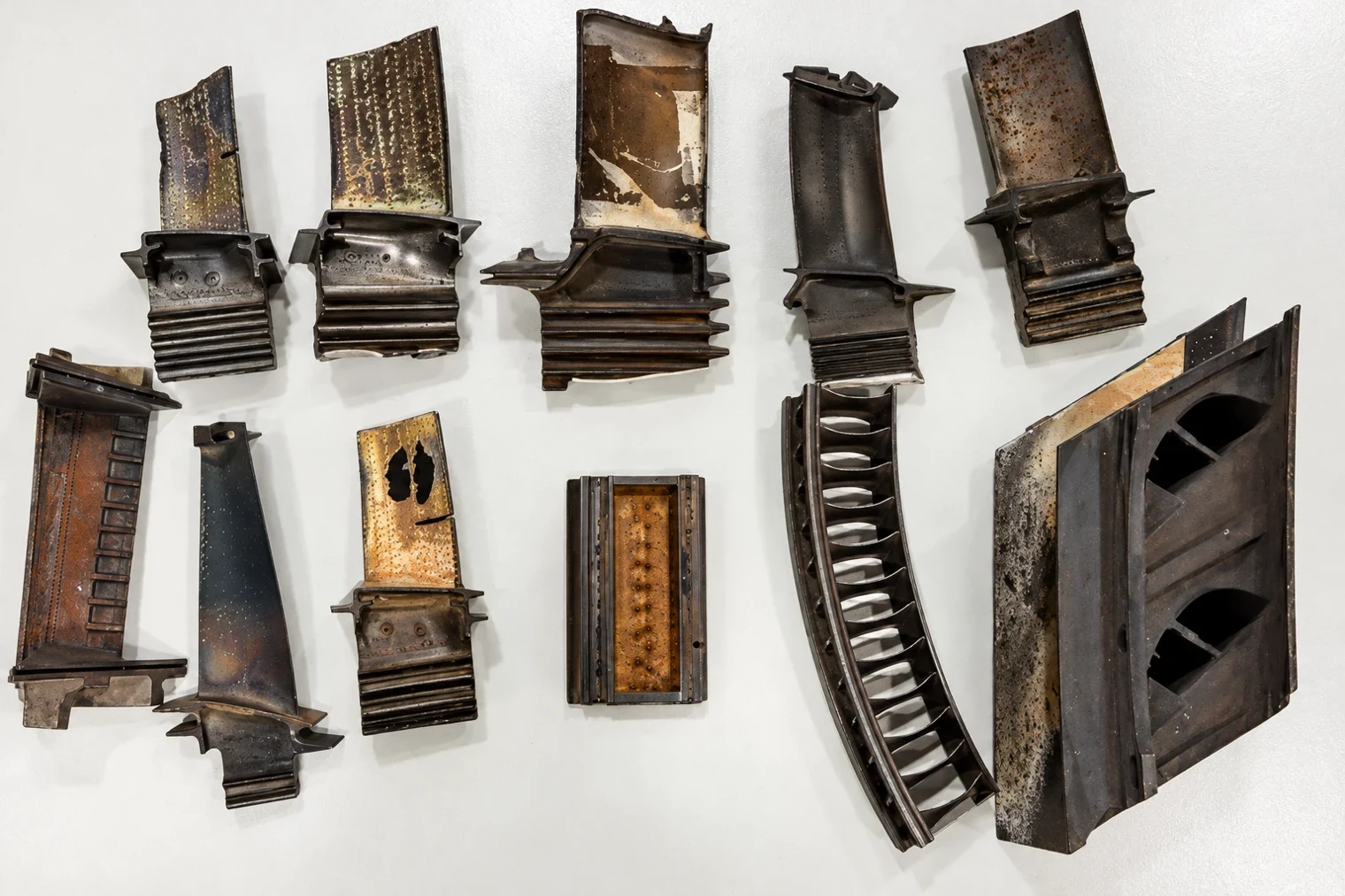
Our evaluation route for platinum-bearing aerospace scrap is one example. We first collect the aircraft or engine information, quantity, and available test reports. Analysis then supports a market-linked quotation. The same principle applies to other industrial platinum scrap: good origin data and clear lot separation make the metal result easier to interpret.
How Market Prices Supply and Environmental Rules Affect Quotes
After the payable platinum quantity is established, we connect it to an agreed price reference. Platinum is commonly quoted in US dollars per troy ounce. The contract should state the benchmark, currency, unit conversion, pricing date or averaging window, and quote validity period. These details keep the price calculation consistent from quotation through settlement.
The platinum benchmark price published through the London platinum market provides a recognized market reference. Industrial scrap has a different value from refined, tradable metal because collection, preparation, assay, recovery, refining, and financing still need to take place.
Supply and demand move the benchmark over time. Automotive catalysts, chemical processing, glass, electronics, medical equipment, jewelry, and hydrogen technologies all contribute to platinum demand. Mine production and recycled metal form the supply side. The World Platinum Investment Council reports that recycling accounted for an average 24% of total platinum supply during the five years through 2024.
The platinum recycling supply chain also depends on compliant collection and processing. Scrap with chemical residue, liquid, dust, or regulated waste may need special classification, packaging, documents, and transport arrangements. Early disclosure allows us to plan the logistics and processing route with you.
From Testing to Final Settlement
The first review gives you an initial value range. Photos, weight records, origin information, and an existing analysis are usually enough to begin. Final settlement uses the confirmed weight, agreed assay, selected benchmark, payable percentage, and itemized charges.
Here is a simple calculation example. A lot has a net dry weight of 1,000 kg and an agreed platinum assay of 0.20%. The contained platinum is 2.0 kg. With a 95% payable term, the payable quantity is 1.9 kg, or about 61.09 troy ounces. Multiplying those payable ounces by the agreed benchmark gives the gross metal value. The stated analysis, treatment, freight, and applicable tax charges are then applied. The example shows the calculation sequence and does not represent a current Huatuo quotation.
Some lots also contain palladium, rhodium, iridium, or ruthenium. When testing confirms these metals and the settlement terms make them payable, each metal should appear as a separate line. This gives your procurement and finance teams a clear record of the full PGM value.
Our published process for aviation engine turbine blade recycling follows this practical sequence: initial consultation, material evaluation, precision testing, quotation, collection, and payment. The same stages create a clear path for other industrial platinum materials.
A complete settlement statement should show five items:
-
Accepted net or net dry weight
-
Final assay result for each payable metal
-
Agreed market benchmark and pricing date
-
Payable percentage for each metal
-
Itemized analysis, treatment, freight, and other charges
With these details in one place, your technical, procurement, and finance teams can follow the platinum scrap price from the test result to the final settlement amount.
FAQ
Does Lot Size Affect the Platinum Scrap Price?
Lot size can influence processing efficiency and unit costs. A larger, consistent lot may be easier to sample and process than several small mixed lots. Material quality, platinum content, contamination, and settlement terms still have a greater effect on the final value.
Should Platinum Scrap Be Cleaned Before Evaluation?
Keep the material in its original and identifiable condition unless a preparation method has already been agreed. Uncontrolled cleaning may remove valuable coating, mix different materials, or make the original weight harder to verify. Clear photos and contamination details are usually more useful during the first evaluation.
What Happens When Two Assay Results Do Not Match?
The sampling records and test methods should be reviewed first. A retained sample can then be tested again or sent to an agreed independent laboratory. The contract should state which method or laboratory result will be used for settlement.
How Should Platinum Scrap Be Stored Before Collection?
Different material types should be stored separately in sealed, clearly labeled containers. The storage area should remain dry and secure. Good storage limits moisture gain, contamination, material loss, and accidental mixing between lots.
Prepare the Lot Before Requesting an Evaluation
A clear platinum scrap valuation starts with accurate lot information. Group different materials separately and confirm the net or net dry weight. Include the material source, known contamination, available assay reports, photos, quantity, and location.
We use these details to choose the right sampling and testing method. The assay results are then matched with the agreed platinum benchmark and settlement terms. This gives your team a reliable valuation that is easier to review.
When your lot information is ready, you can request a platinum scrap evaluation.