
Recycling complements primary titanium production
Titanium scrap can be used again, reducing the need for some newly produced metal. It cannot automatically replace all mining and primary production: usable scrap must be available in the right quantity, composition and condition. Titanium is an industrial metal, not a precious metal such as platinum or gold.
Not all recovered titanium returns to the same application
Manufacturing offcuts, machining chips and retired components have different recycling routes. Material suitable for remelting into titanium must meet the receiver’s specifications. Some scrap is used in other metallurgical applications instead. Recycling a component does not by itself make the recovered material suitable for aerospace or medical use.
Separate the material before requesting an assessment
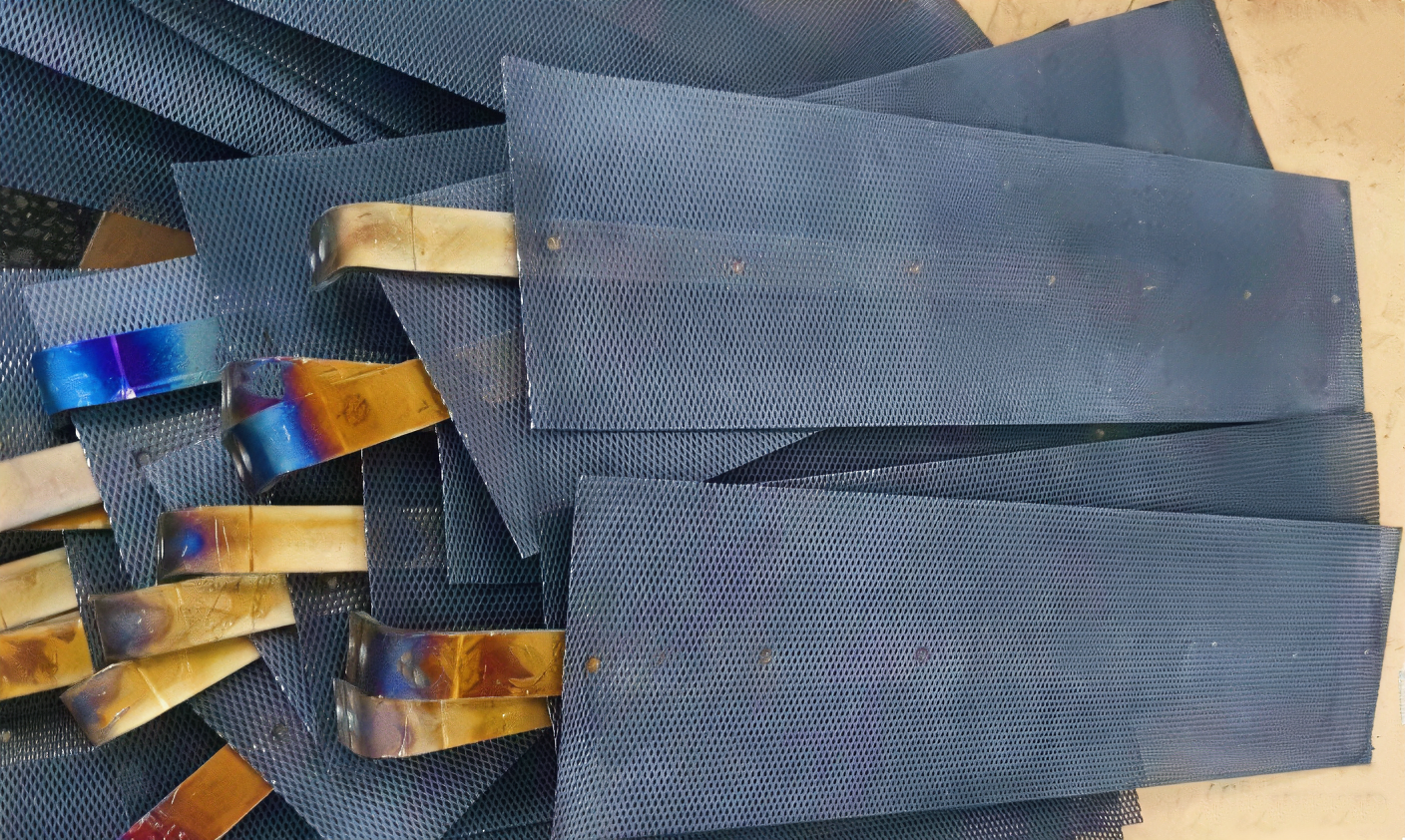
Keep known grades and production batches separate, and retain material certificates where available. Identify coatings, attached metals, oil and process residues. Mesh or plate appearance alone cannot establish the alloy grade or coating composition. Do not describe a coated anode as solid precious metal; the substrate and coating need separate consideration.
What to send Huatuo
For an initial assessment, provide photographs, the material’s previous use, any grade or coating documentation, approximate net weight and collection location. Acceptance, testing, transport and settlement terms must be agreed for the actual batch. This page does not promise acceptance of every quantity or a fixed price. Recycling benefits also depend on the collection and processing route, so no universal environmental saving is claimed.